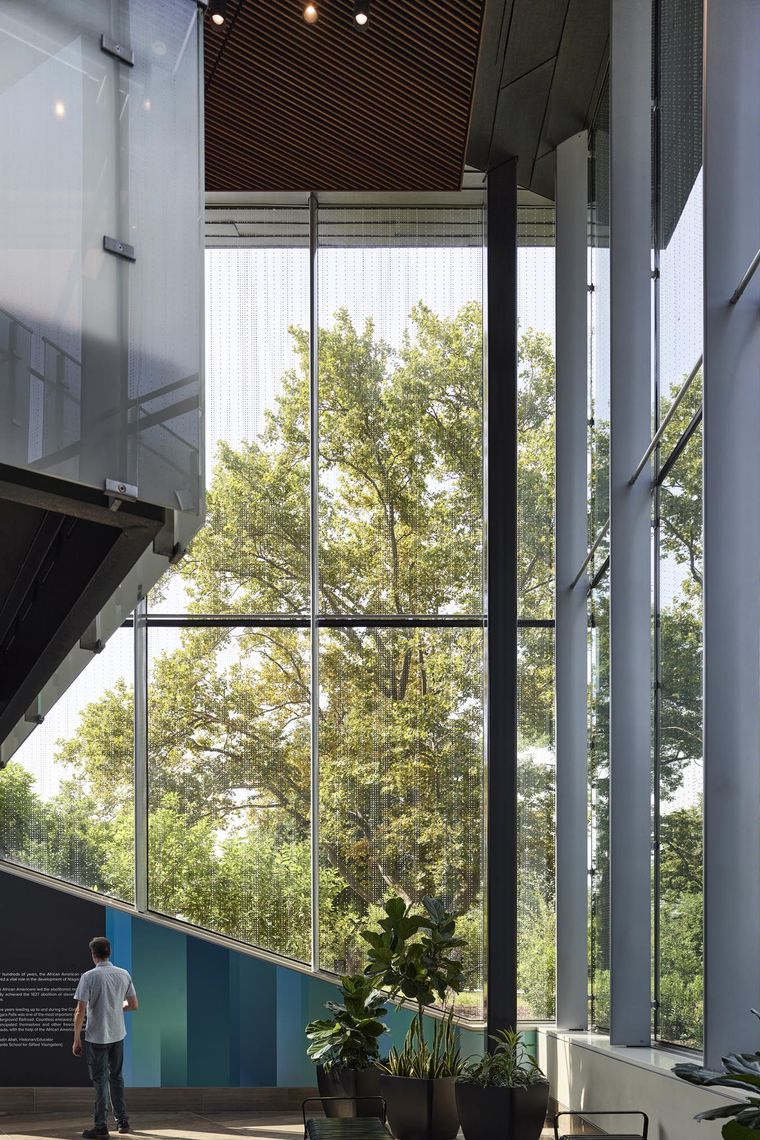
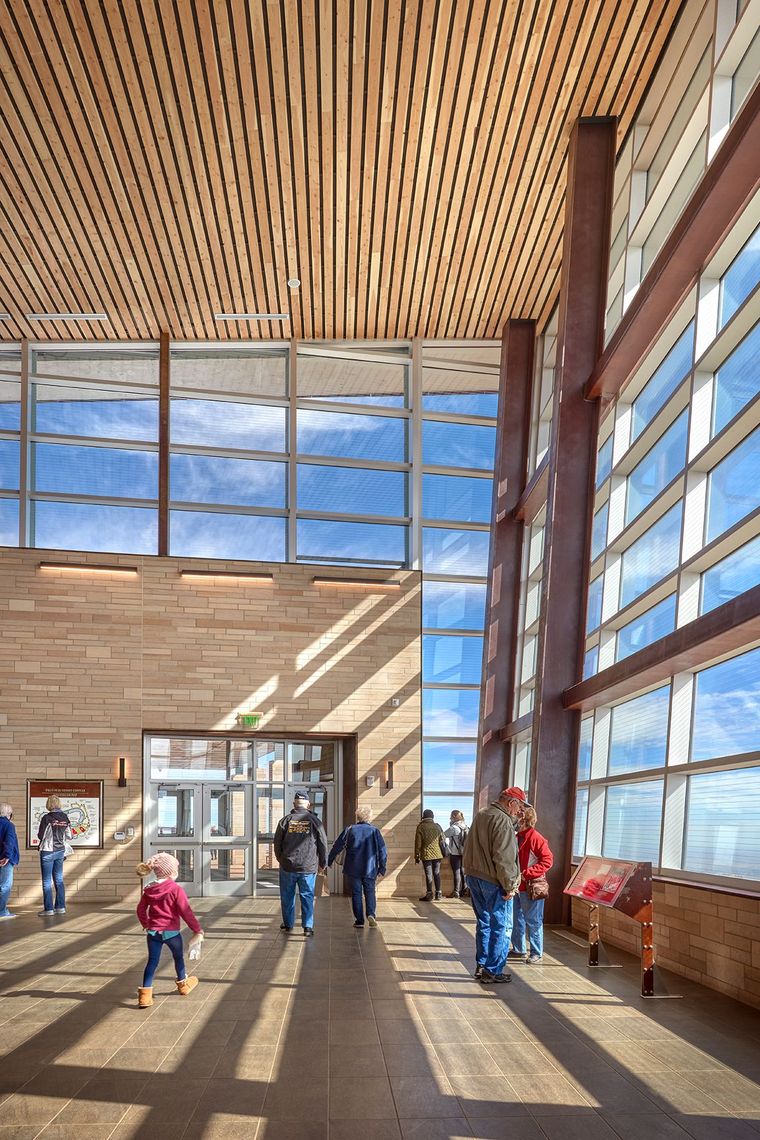
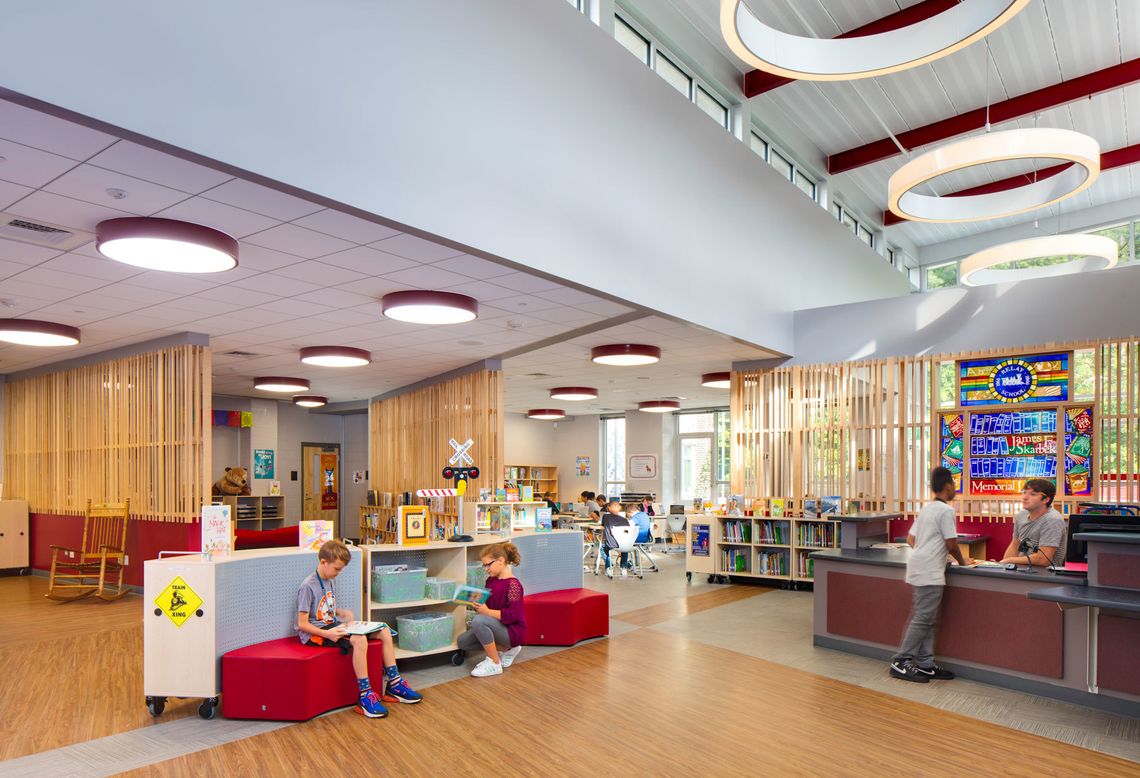
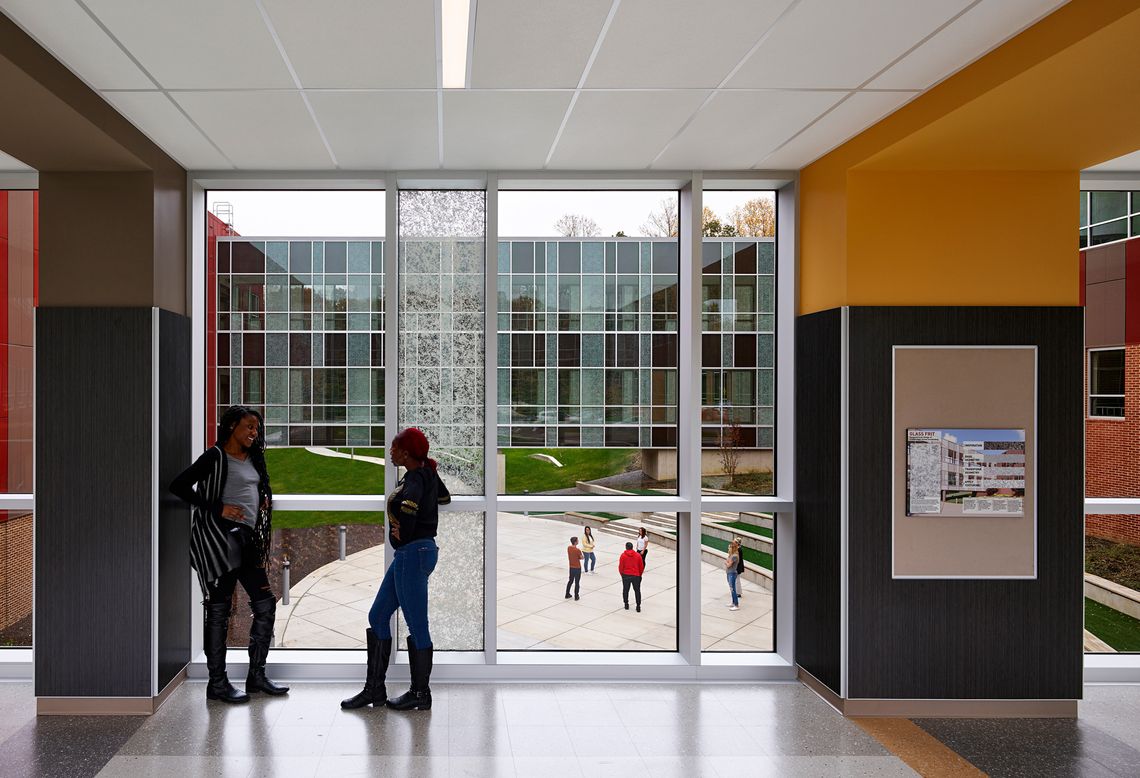
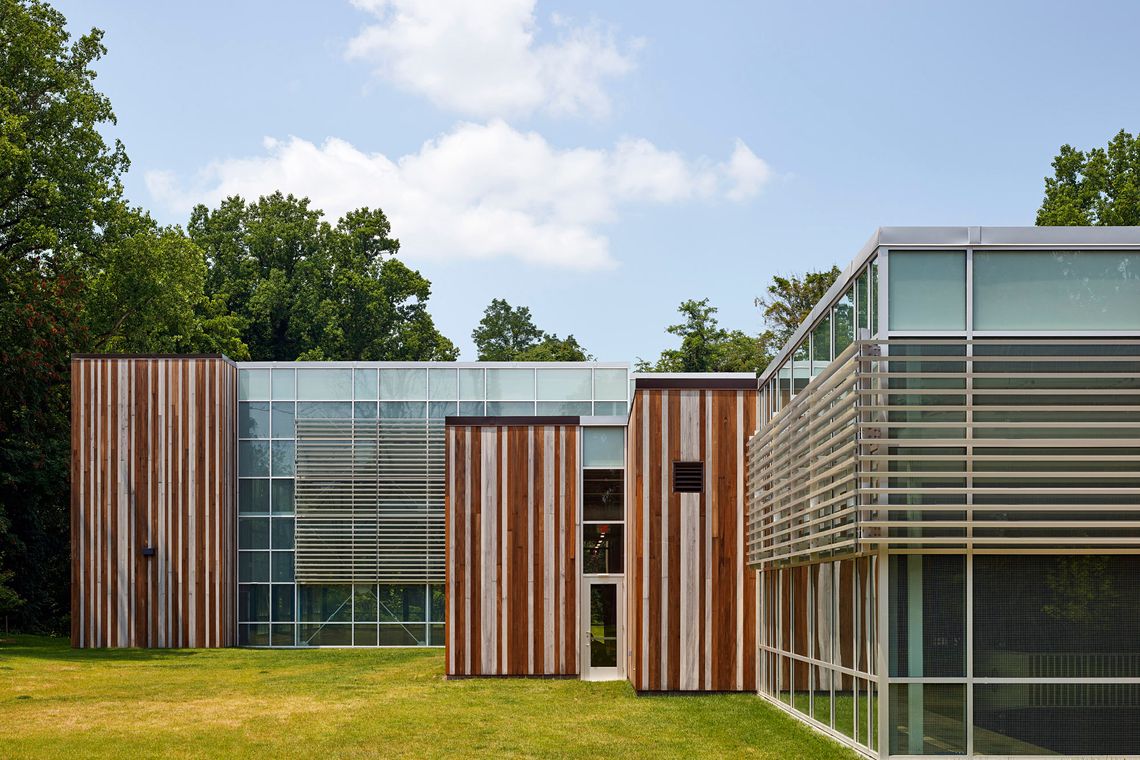
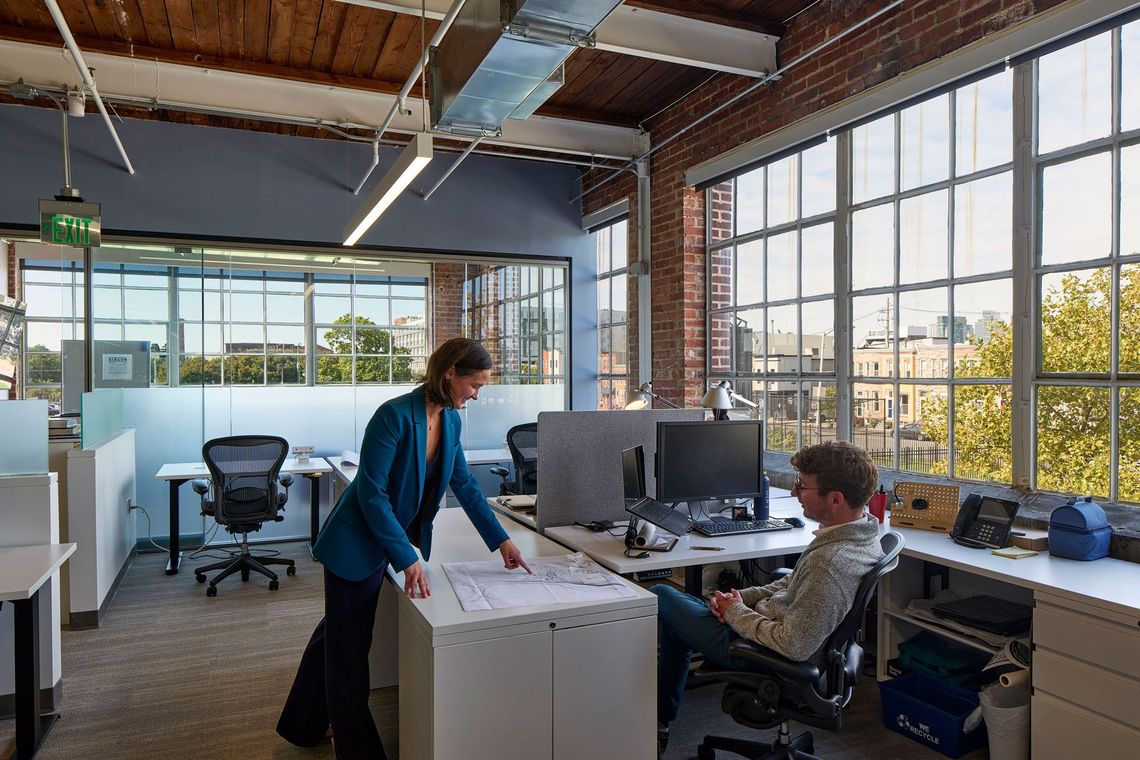
SPACE—within a building, between buildings, defined by the landscape, defined by an urban context—has a profound effect on what happens there.
The proportions, size, surface materials, texture, decoration, and lighting of a space coalesce into a forum for experiences. Noticeably unique and inspiring spaces, like a cathedral, a grand performance hall or a special garden, are widely recognized as influential—culturally, we even acknowledge that the qualities of these spaces are integral to their purposes. What about “everyday” spaces, like a classroom or an office? Does our public culture appreciate design in that context; do you think it’s important or irrelevant?
It’s easy to see how a well-proportioned, sunlit-drenched room can make us feel uplifted and cheerful. Data has proven that the presence of natural sunlight in classrooms that have ample windows and skylights positively impacts test scores. Less noticeable or measurable, but just as important, is the calming effect created by a clear, intuitive public path through an unfamiliar building. Inviting, comfortable public gathering spaces, placed along common pathways, foster personal interaction and facilitate a sense of connection and community—but they may not get the credit. Thousands of decisions made during a design process, individually and cumulatively, create either an extraordinary environment or one that is merely functionally adequate. As an example, selecting building materials that make connections with the larger context of the project adds layers of meaning in addition to achieving the space’s primary functional purpose.