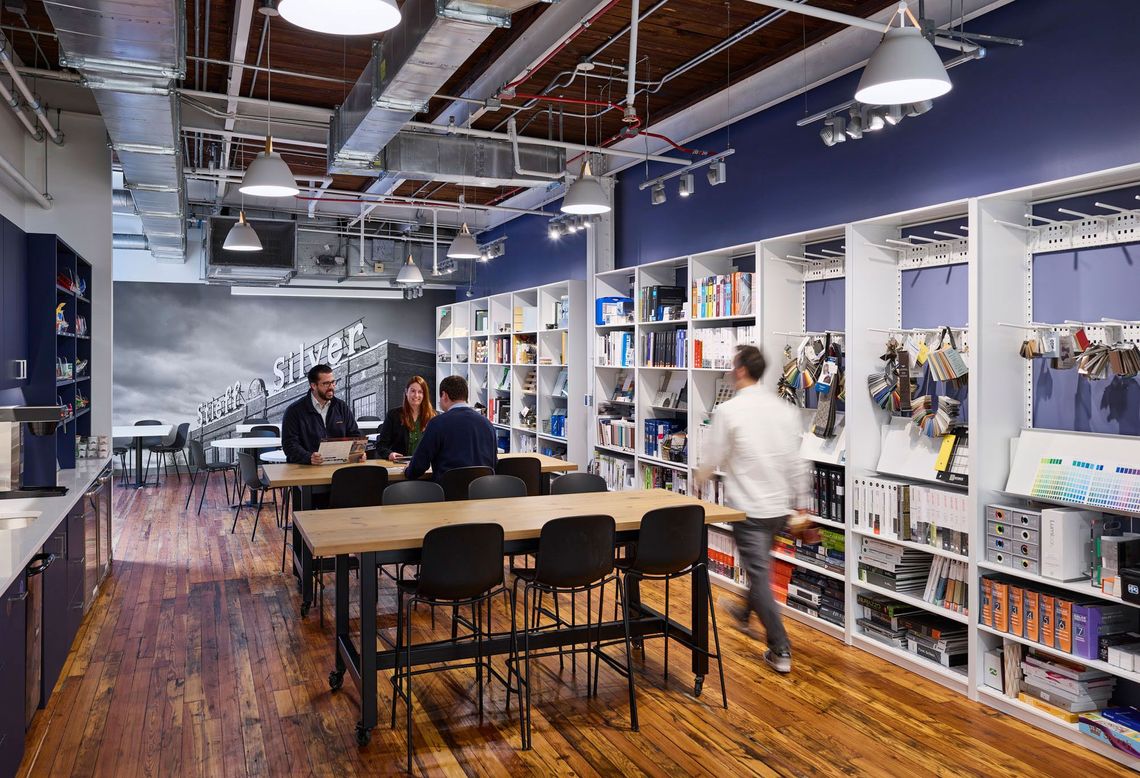
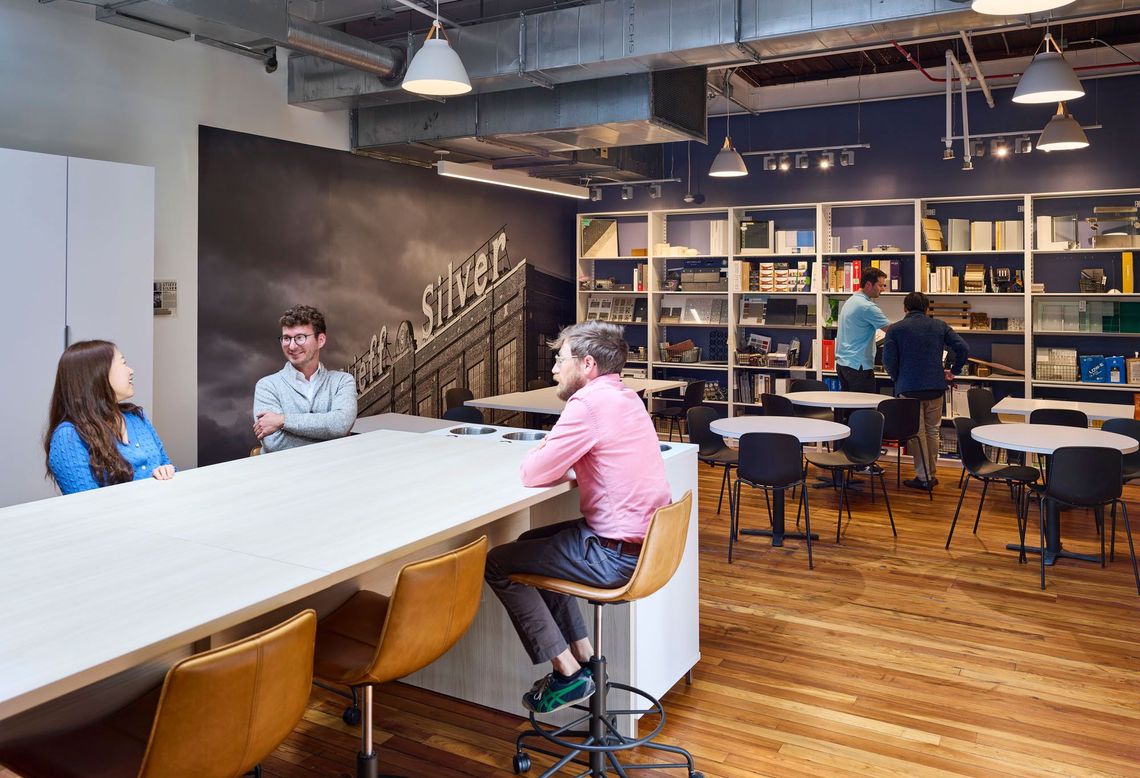
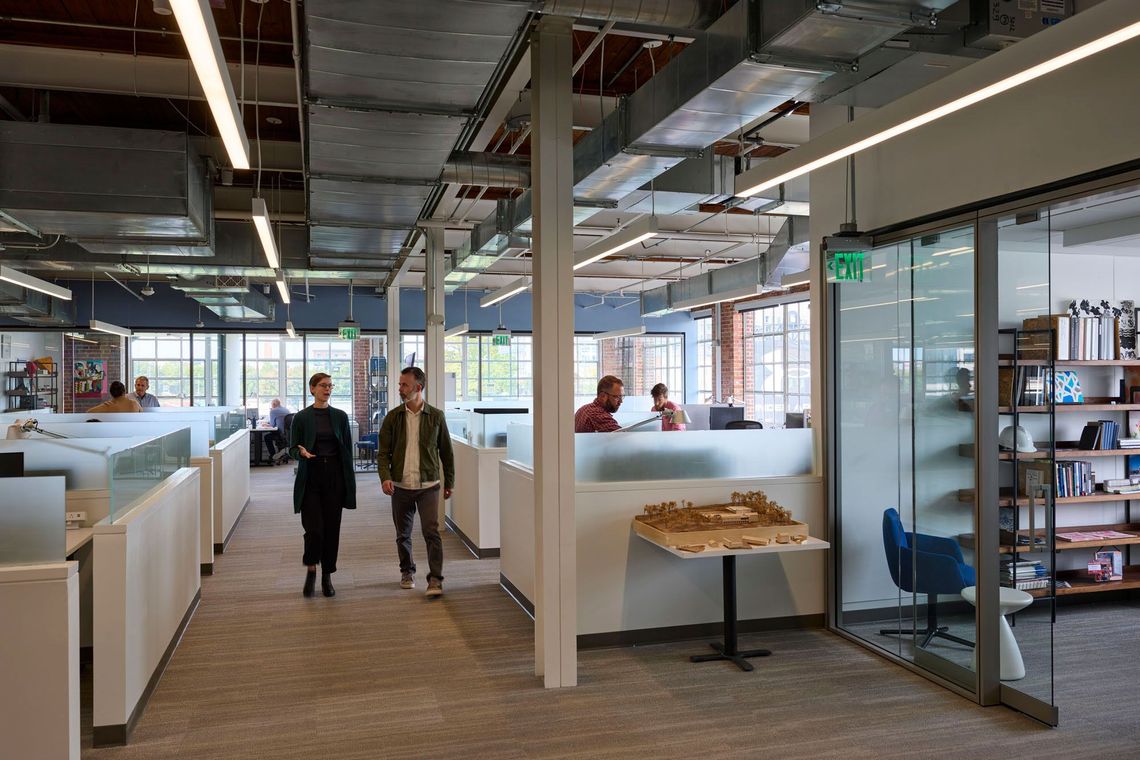
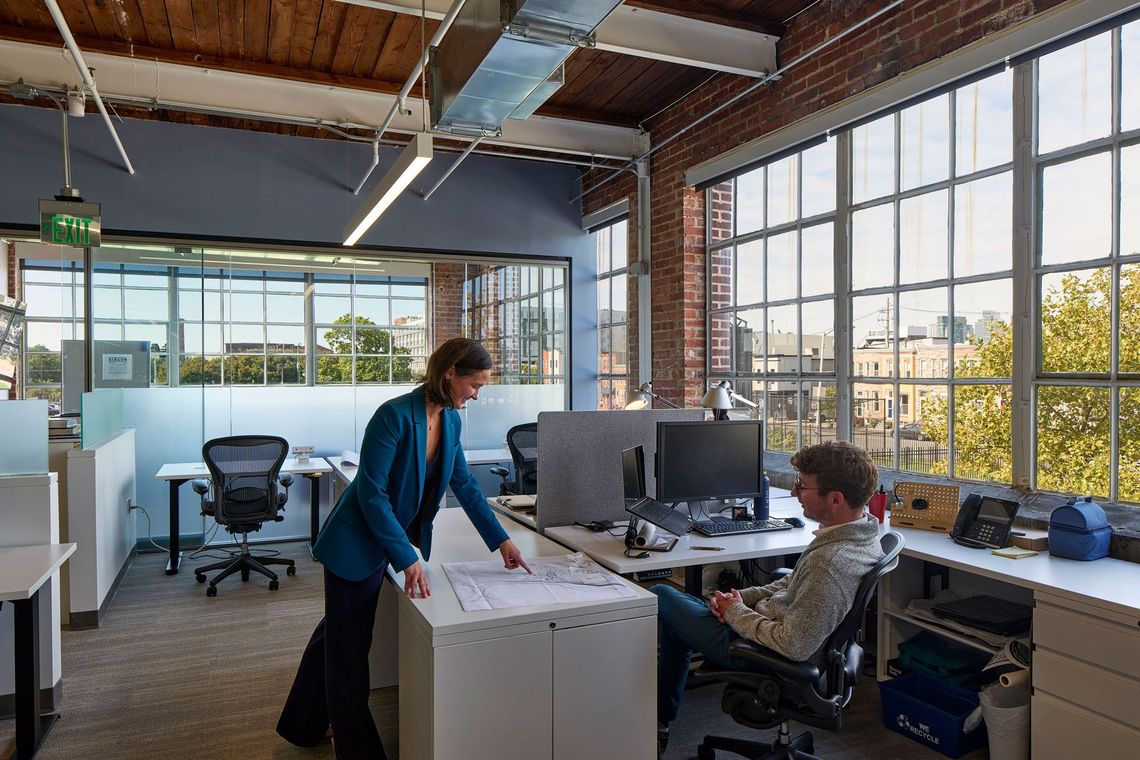
GWWO’s Baltimore office has moved several times during our 35-year history, most recently from one historic factory building in a classic Baltimore industrial/residential neighborhood to another. We’re drawn to its authentic, historic building materials – exposed brick, visible structure, aged wood – and to the stunning, huge glass windows that previous generations prioritized in their factories, warehouses and workspaces prior to the invention of inexpensive, abundant electrical alternatives to natural lighting. The evolution of building science dictates that no modern building would ever be built similarly today, because energy performance and conservation has become an imperative. The uninsulated, exposed brick walls and single-pane mullioned windows that are so visually charming can’t compete with a modern building envelope’s performance. Nevertheless, we embrace the character of the building and the stories its walls have witnessed through its decades of existence. Its legacy gives weight to our presence here as another generation who continues to grow roots in this historic community.