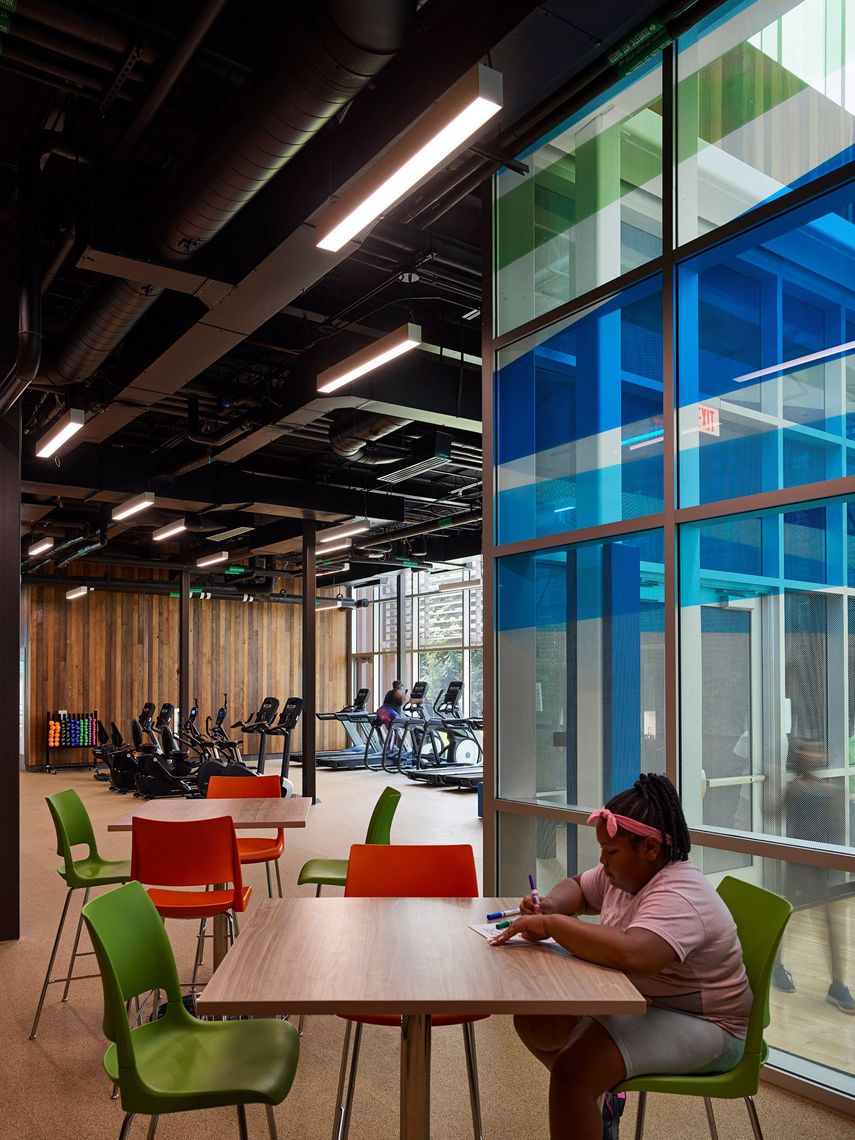
One of our favorite phases of an architectural project (OK, they might actually all be our favorite) is also one of the very first—where we work with our clients to figure out exactly what they want to build.
Akin to a map that guides us as we begin to design (dive deeper into this concept here), the architectural program is a list of all of the rooms and spaces and the characteristics they need to have in order to individually and collectively achieve the project goals. To generate this list, we ask our clients to describe a day/week/year-in-the-life of their organization. We ask them to tell us what activities and programs they want their community to be able to do, with how many participants, and how often. We ask them to tell us what they wish they could do that they can’t now do due to their existing facility’s limitations: Gather more people together in one place? Have multiple activities running at one time? Have access to equipment that currently has nowhere to live? In other words, we ask them to tell us everything there is to know about how they achieve their community’s mission, and their dreams for their future capabilities.
Next, we get to work as translators—turning lists of events, programs, schedules and numbers of staff, students, and program participants into lists of spaces and site areas. Our public school system clients’ educational specifications are standardized programs that ensure parity among facilities serving different school communities; but there are still many conversations to be had about customizing for school-based educational programs and community-specific needs. Some are prescriptive, like a school gym, with a set list of sport court sizes, numbers of spectators, and stored equipment. Some deserve a thorough conversation about the needs of a myriad of activities that could happen there, now and in the future, like a flexible community gathering space that may hold special events, conferences, school groups, meetings, classes, parties and more.
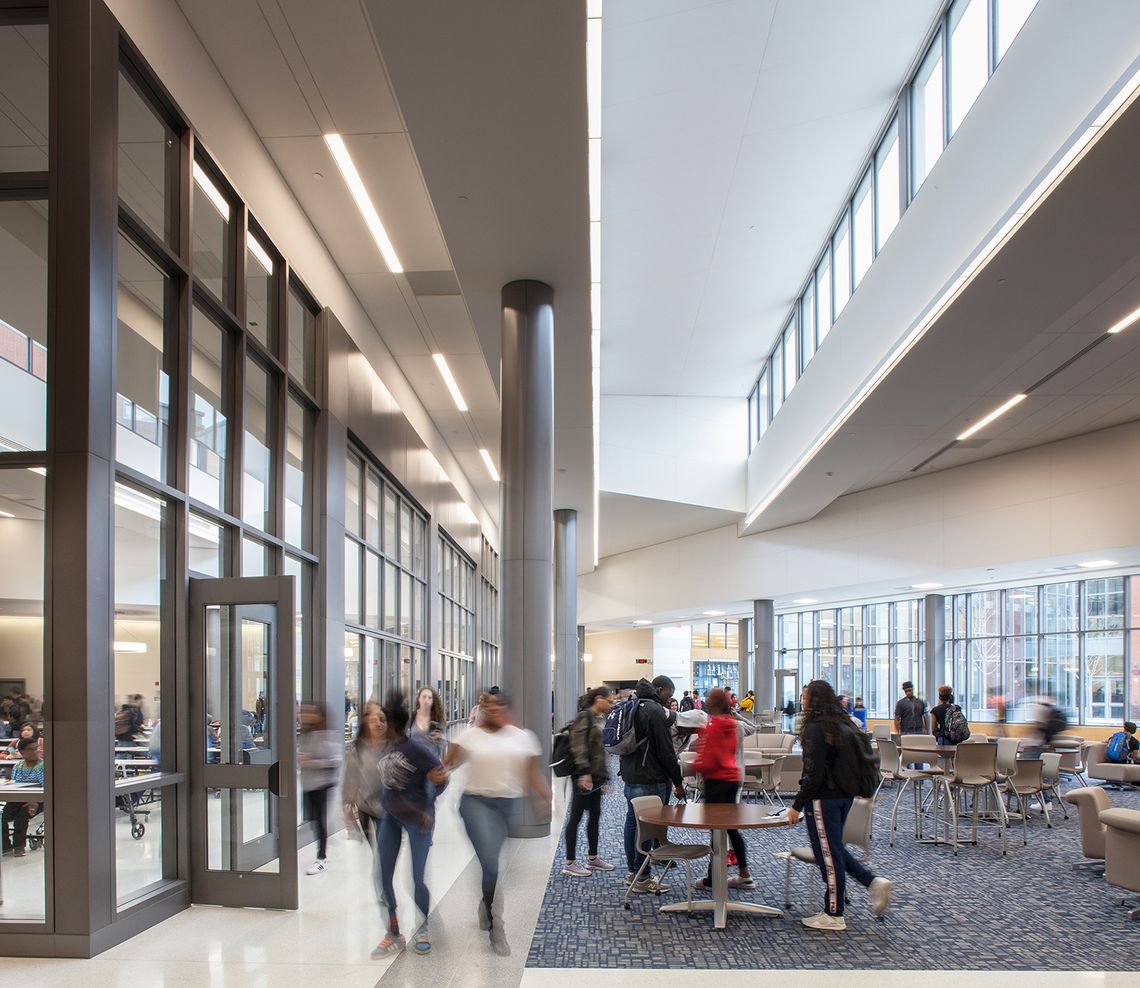
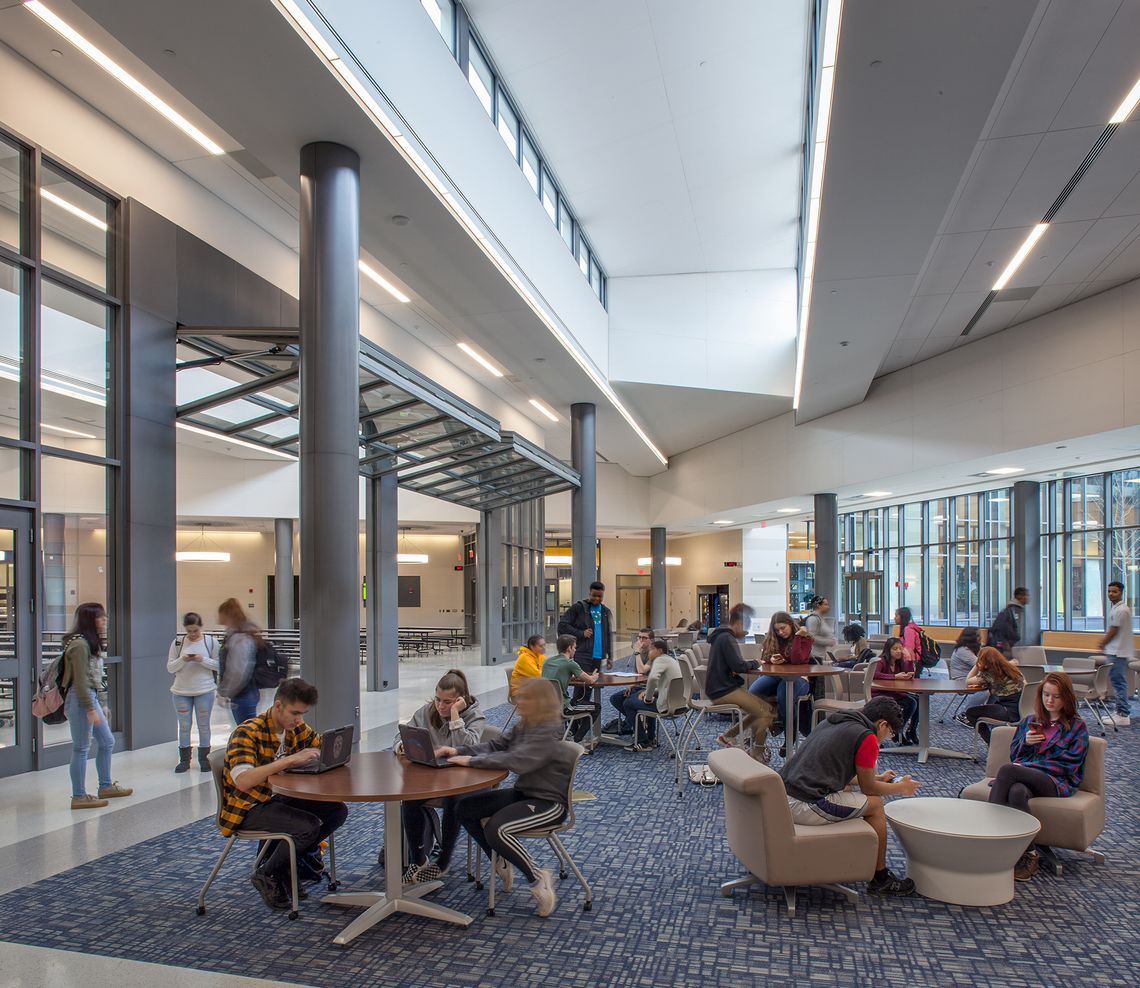
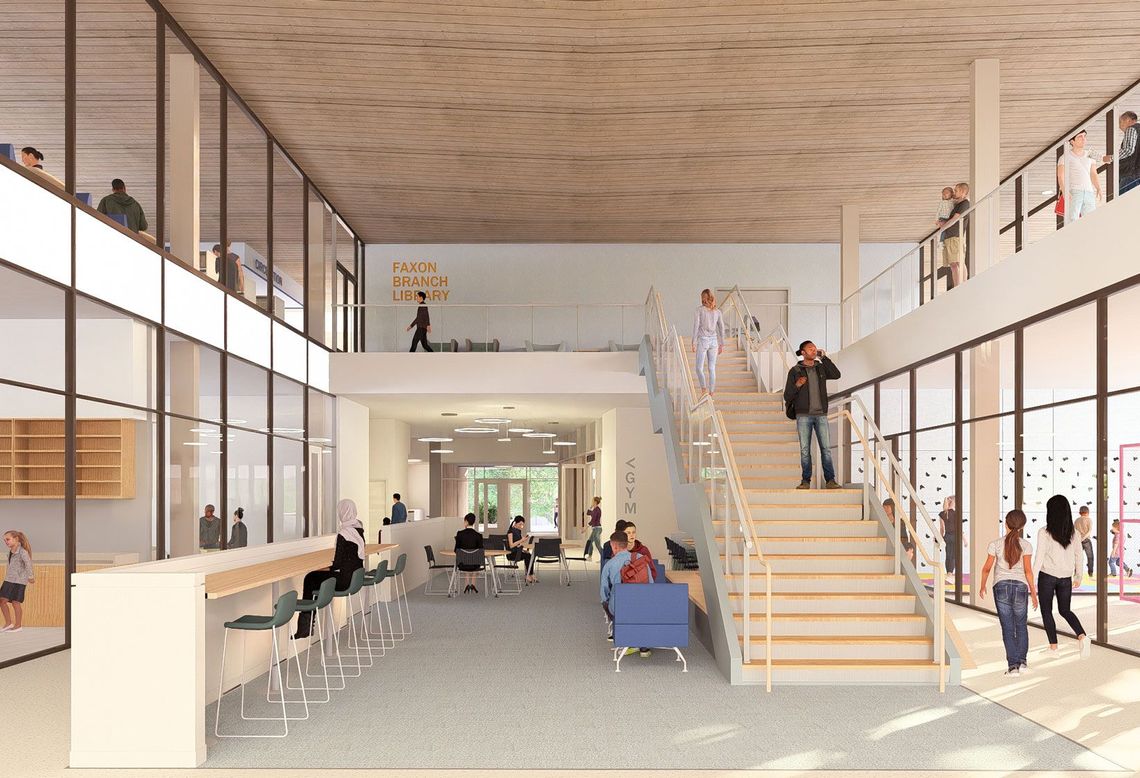
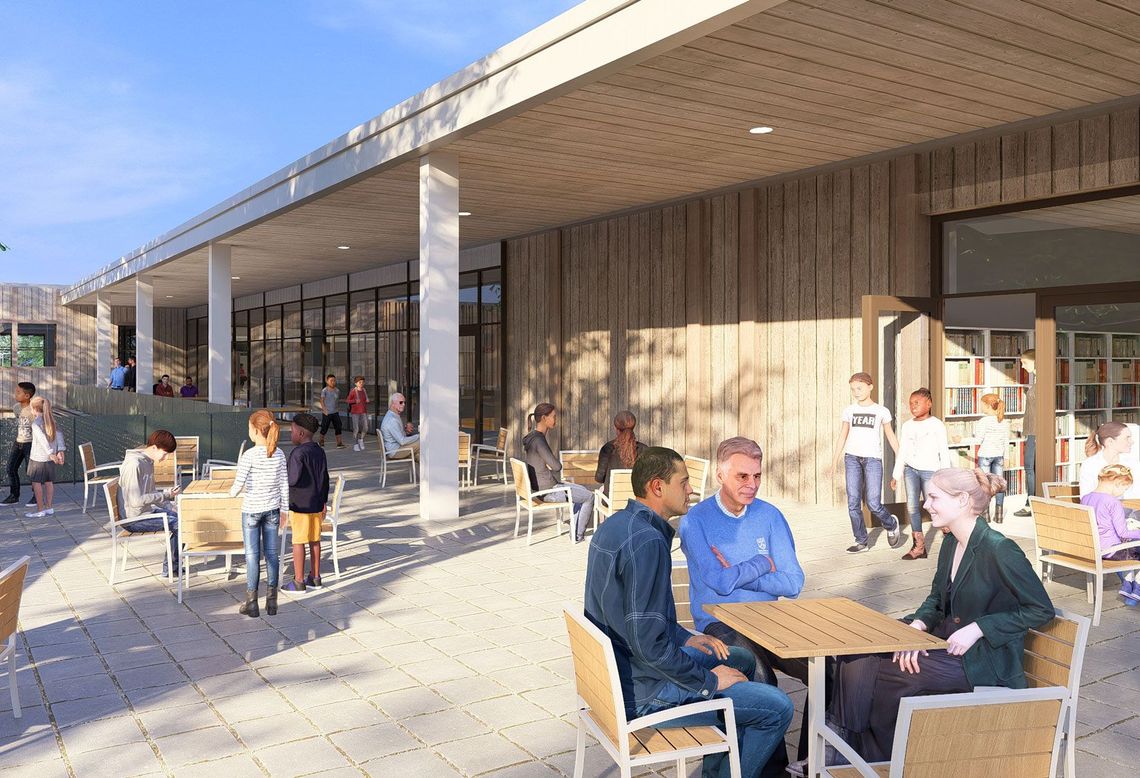
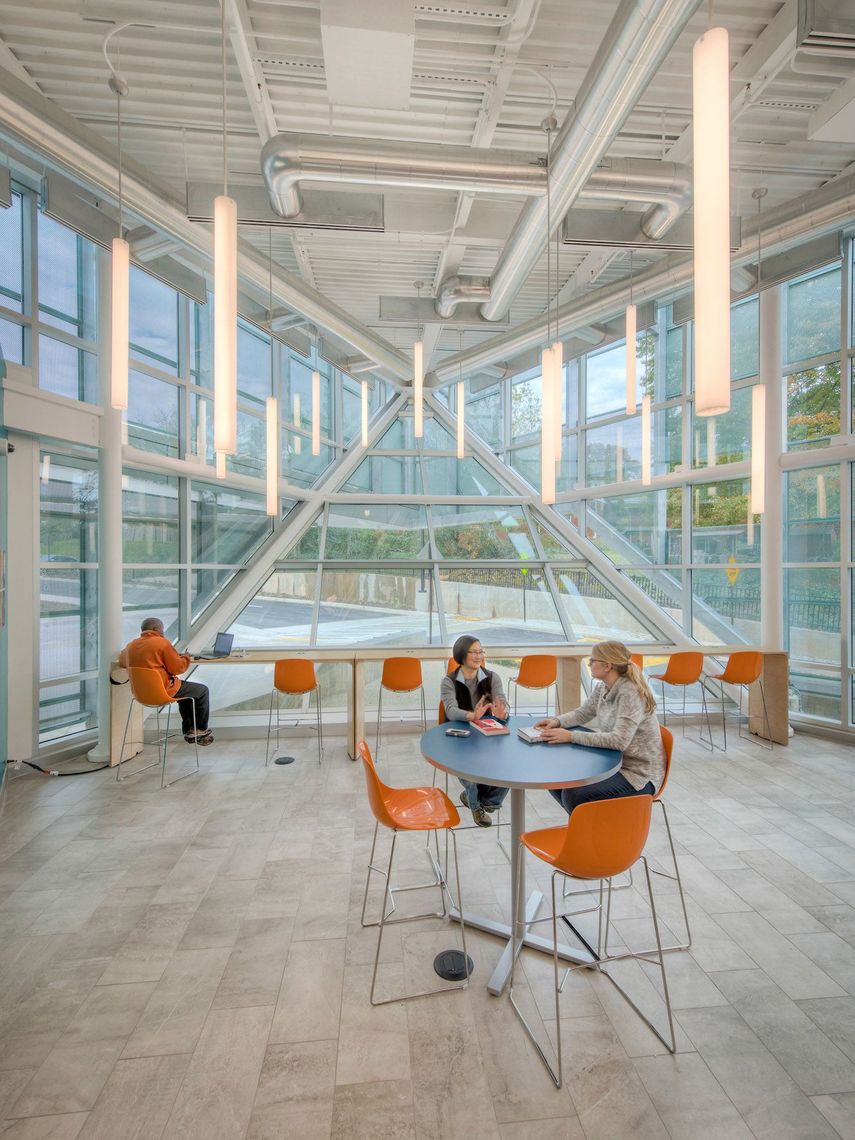
Where it gets really interesting is when we discover the vital places that haven’t necessarily been assigned a line in the program list—those that evolve through the development of the design as we arrange the programmed spaces into a practical floor plan. These spaces often emerge within the building's main circulation route, where occupants are traveling from one moment in their schedule to the next. The design of these major circulation routes can encourage "productive collisions"—unexpected interactions between people who run into each other and have unplanned conversations, exchanging ideas and potentially sparking new insights and innovative collaborations. Sometimes, these informal interactions and spontaneous conversations can be more creative than formal meetings. How can architecture facilitate these moments? By inviting building occupants into beautifully designed and detailed breakout moments along their natural circulation paths—comfortable areas defined by attractive furnishings and finishes, filled with sunlight and encouraging an extra moment of respite, communication and community-building.
These moments “in between” can become central, place-defining spaces where the life of the building happens, going beyond the technical capabilities of the distinct rooms that host the building’s programs. Well worth the square footage expended to create them, these magical spaces foster personal interactions that can have incredible impact.