Saving Energy vs. Saving Water

Saving Energy vs. Saving Water
Lauren Park

Lauren Park

AIA, LEED AP BD+C, WELL AP, CPHC

Senior Associate / Sustainability Specialist

Which is more important in the pursuit of a sustainable building?

You guessed it: neither. They’re both essential.

Energy often gets the lion’s share of public attention, with ever-growing demands on the nation’s power grids threatening to exceed capacity.

In our everyday lives, it’s easier to turn down the thermostat and to grab a high output, low-wattage light bulb from the shelf at a local hardware store than it is to replace water-greedy dishwashers, toilets and washing machines (but still worth doing!), making energy-saving a more accessible and familiar goal.

As ongoing, severe droughts across the U.S. continue to make headlines, it’s clearer than ever that exploring ambitious potable water-use reduction strategies is as vital as our continuing energy-use reduction design efforts.

On large-scale building projects, it’s vital that we actively pursue both goals.

The Water Petal of the Living Building Challenge is a rigorous certification framework which promotes regenerative design, which actively restores and revitalizes ecosystems to create net positive impacts for people and nature. Its ambitious Net Positive Water imperative requires the project to meet 100% of its water needs through captured precipitation, closed-loop natural systems, or recycled project water.

Tactics such as harvesting rainwater from the roof and recycling mechanical condensate (from the building’s air cooling units) to meet toilet flushing demands can reduce indoor potable water use by more than 70%.

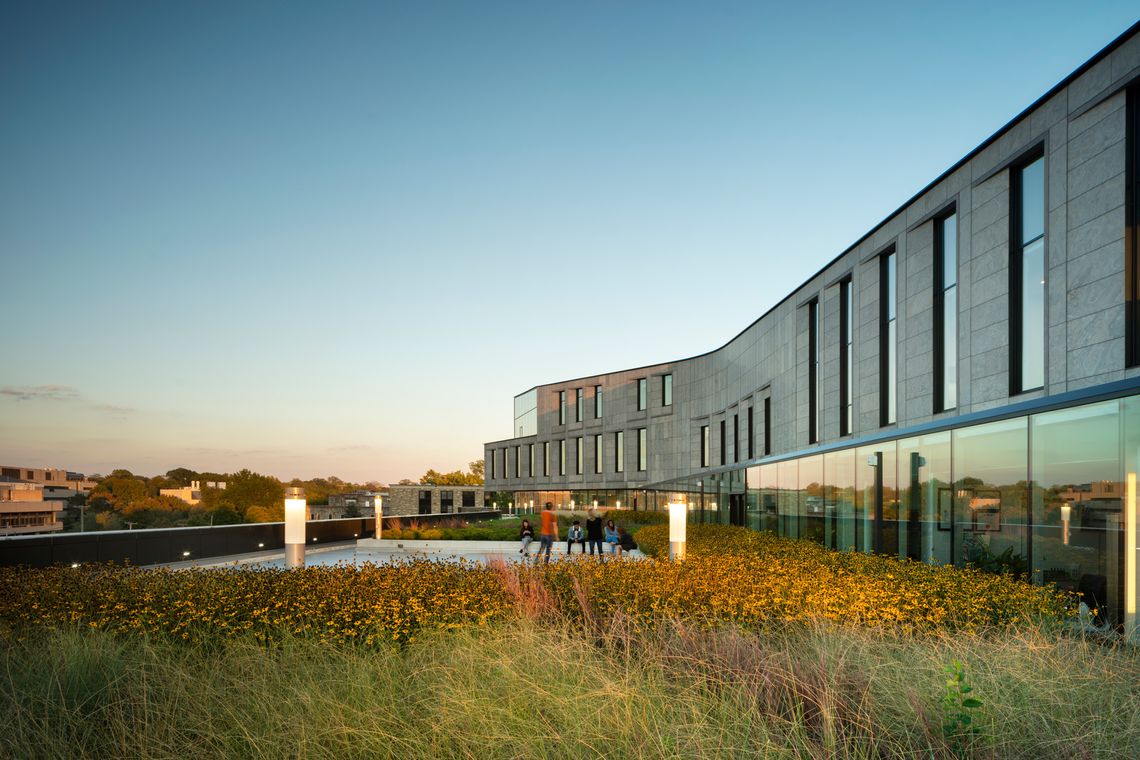
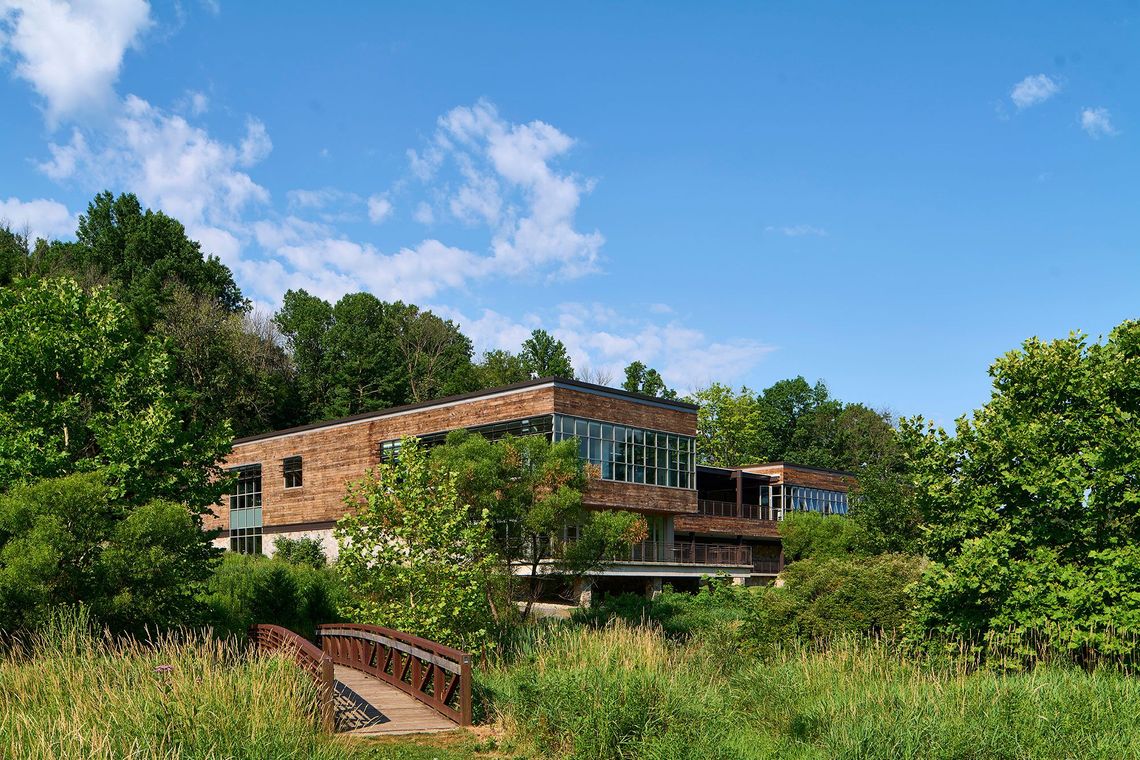
Planting drought-tolerant, native landscaping to minimize or potentially eliminate the need for irrigation, saving 100% of outdoor water usage.

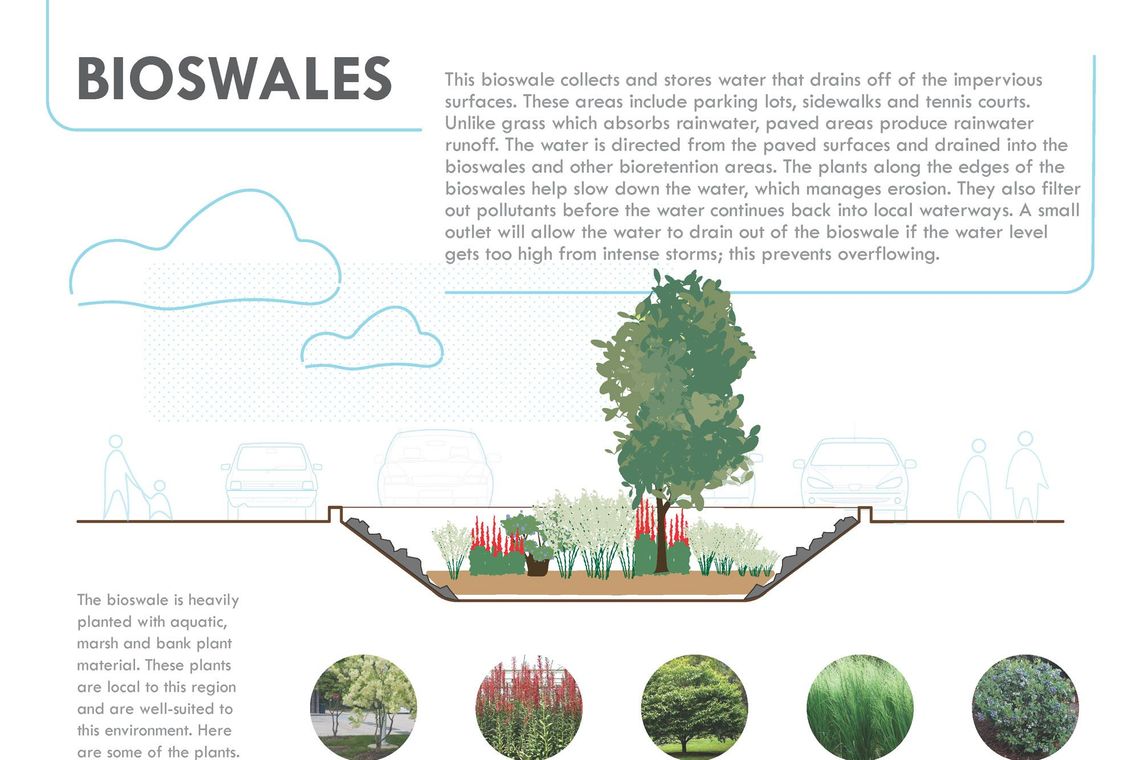
Beautiful bioswales planted with native plant communities collect rainwater, filter it and safely return it to the water table.

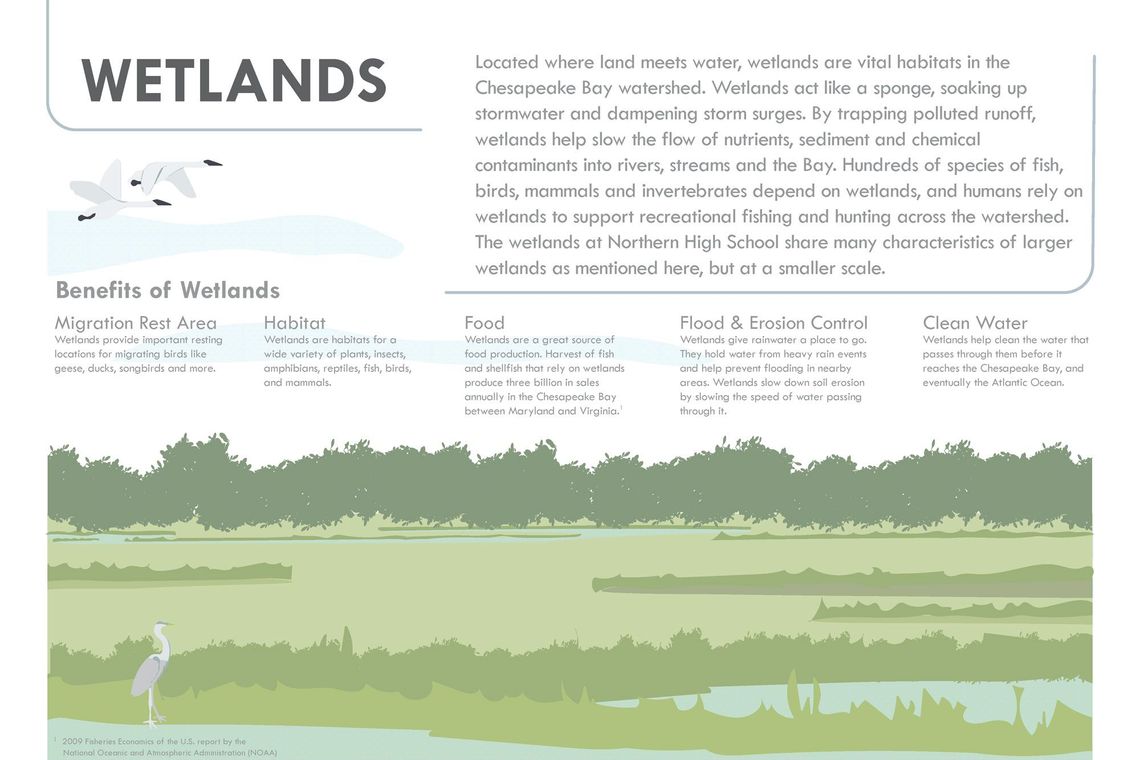
Preserved wetlands absorb storm overflow, nurture vital habitats and protect the Chesapeake Bay watershed.

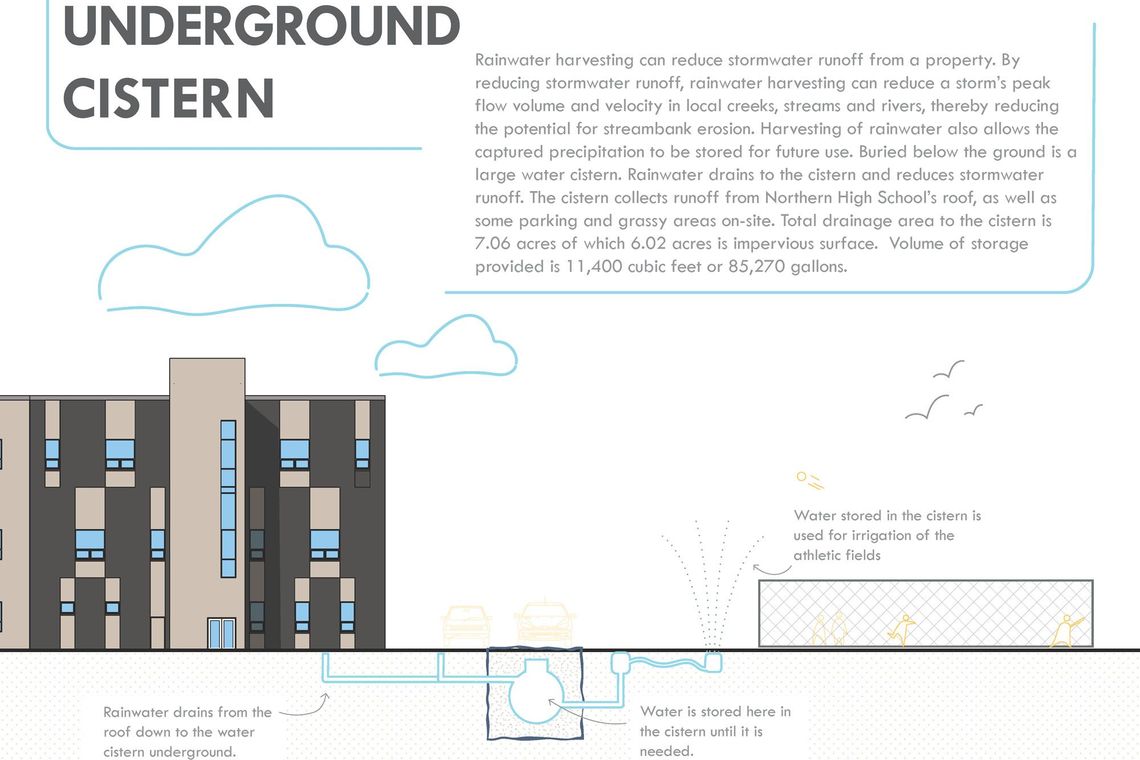
In one of our large educational projects, an underground 11,400 cubic-foot cistern - about the same as 142,000 water bottles – harvests rainwater from the parking areas and stores it for athletic field irrigation while also reducing stormwater runoff and creekside erosion.

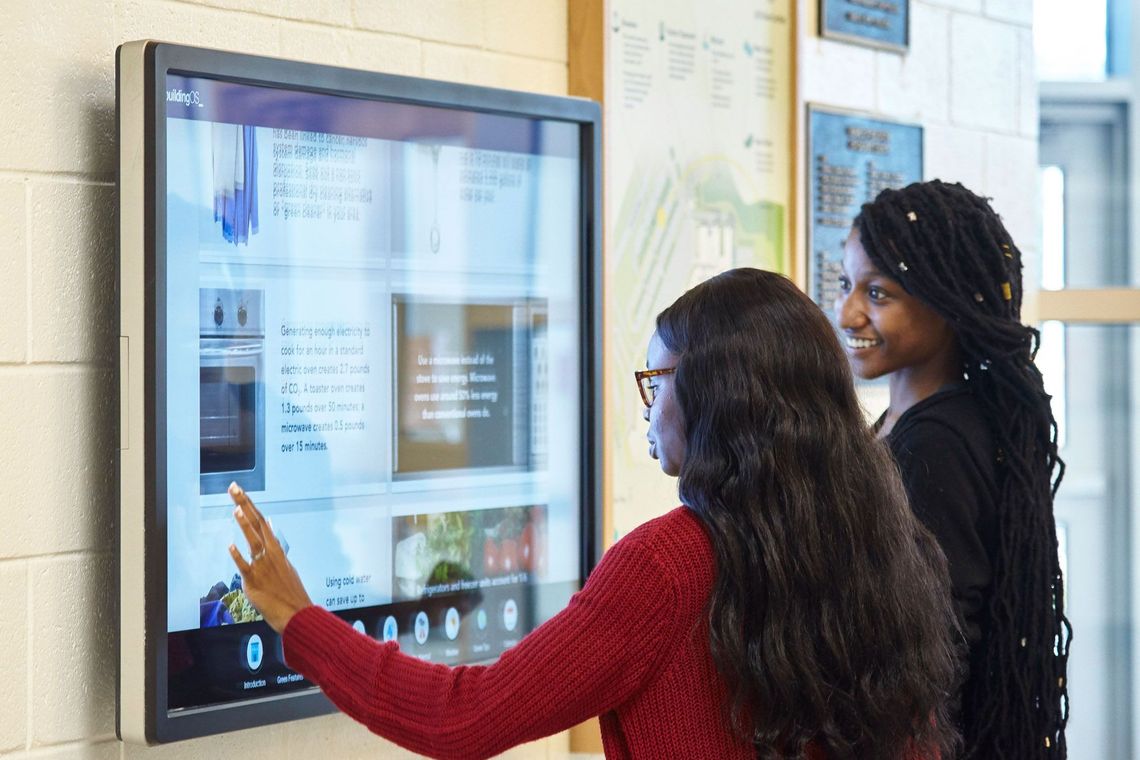
Messaging these and other green design strategies to the students facilitates unlimited educational opportunities.

At GWWO, our mission includes designing responsibly—balancing environmental, economic, and human impact. Clean, drinkable water is a precious, limited resource, and we can and should conserve it with creative design strategies.
Lauren Park

Lauren Park

AIA, LEED AP BD+C, WELL AP, CPHC

Senior Associate / Sustainability Specialist