Does Good (Campus) Design = Good Business?

Does Good (Campus) Design = Good Business?
Alan Reed

Alan Reed

FAIA, LEED AP

President
Terry Squyres

Terry Squyres

AIA, LEED AP

Senior Principal

Does good (campus) design = good business? Look no further than your state’s flagship university campus for evidence that high quality building design is vital to a college’s success in attracting student application volume and high-yield enrollment rates.

Tightly curated tours for prospective students showcase the institution’s most striking and alluring spaces to convince parents and students that a campus can provide an exceptional “home away from home” and an educational experience well worth the high cost of tuition. Likewise, state-of-the-art research and academic buildings and workspace amenities appeal to prospective graduate students and help recruit top-notch faculty.

“Front Door”, “Bedroom”, “Living Room”, "Kitchen", Classroom…prospective students are looking for these familiar spatial roles as they imagine a day in the life of their future collegiate selves—“Could I be happy/comfortable/successful here? Is this a place I can see myself flourishing? Is it worth its cost?” The campus front door role is typically played by an iconic building that embodies the identity and history of the institution—think the Notre Dame’s Golden Dome or the University of Virginia’s Rotunda. After that initial impression, though, what’s next? How do other campus lifestyle and learning spaces coalesce to form a comprehensive “wow” experience that leaves tour-goers confident that the value proposition offered by that unique campus is unquestionably worthwhile?

The overall impression and experience transcends any particular aspect. A dazzling new student center with modern dining, gathering, relaxing and studying spaces can outweigh a 60’s era dormitory bunker or vice versa—in fact, surviving a small, dark dorm room and hall-shared restrooms has become a badge of honor worth bragging about for some first-year students—as long as they have other chic hangouts. Given the impossibility of replacing or even updating every campus building, each new architectural design opportunity must do more—by making a campus contribution well beyond its own building program.

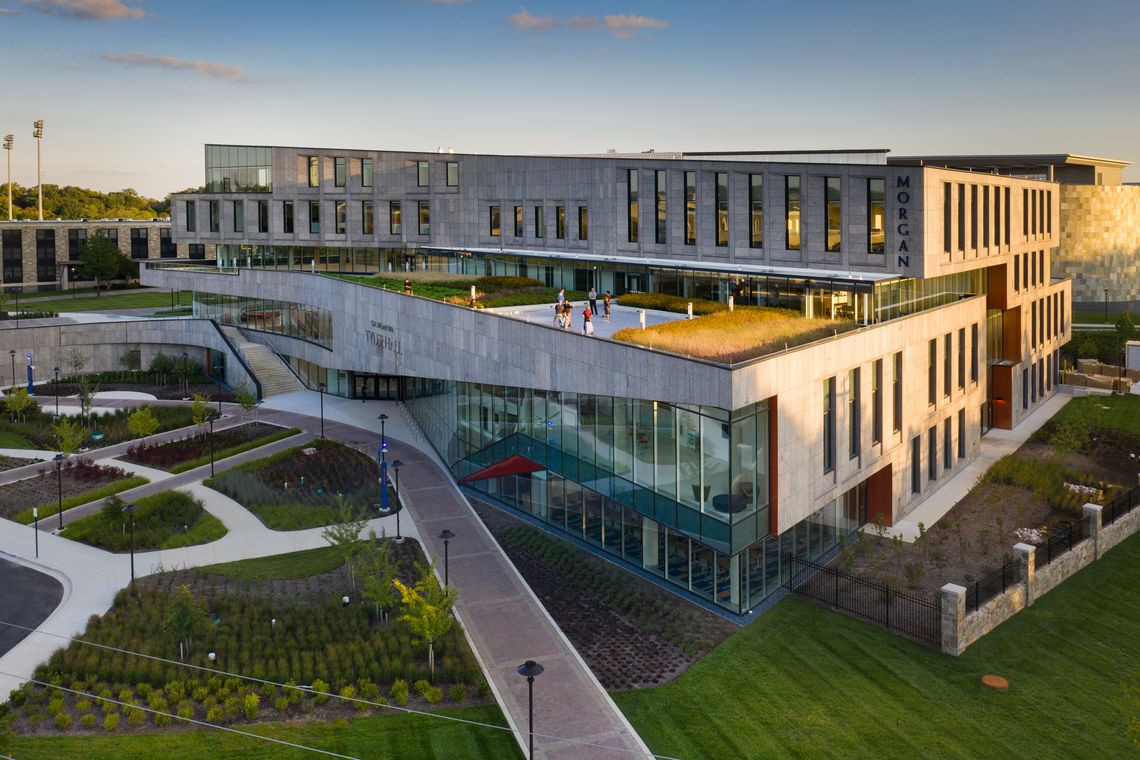
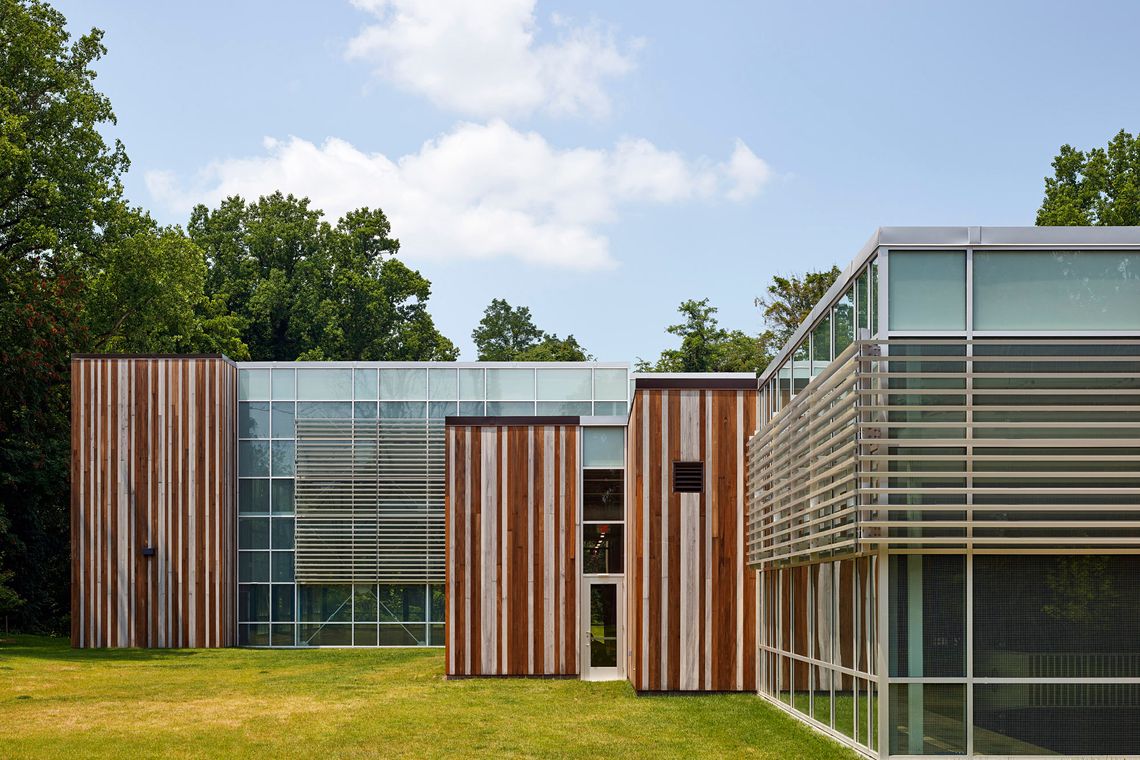
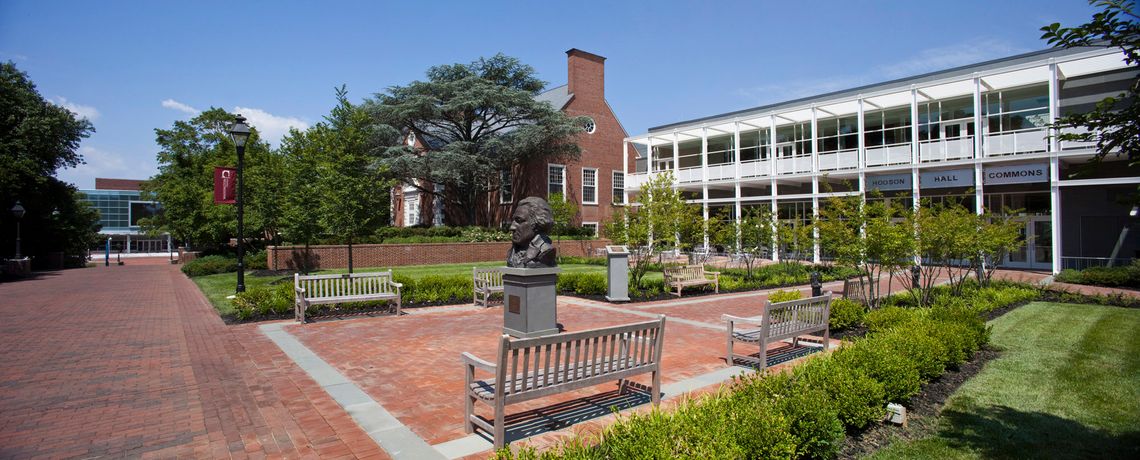
How is this achievable with the challenge of tight budgets and ever-rising construction costs? Back to the concept of “good design” in which the sum of the parts can be greater than the whole. As an example, in a campus plan, buildings define formal quadrangles which historically were and still are the primary exterior campus gathering and recreation spaces. A building’s form, its facades, entry points and covered outdoor areas can immeasurably impact the quality of that outdoor collective space, can create identity for campus zones or academic regions, and can provide wayfinding within the larger campus context by demarcating important campus viewsheds and sculpting a distinct, but cohesive campus character.

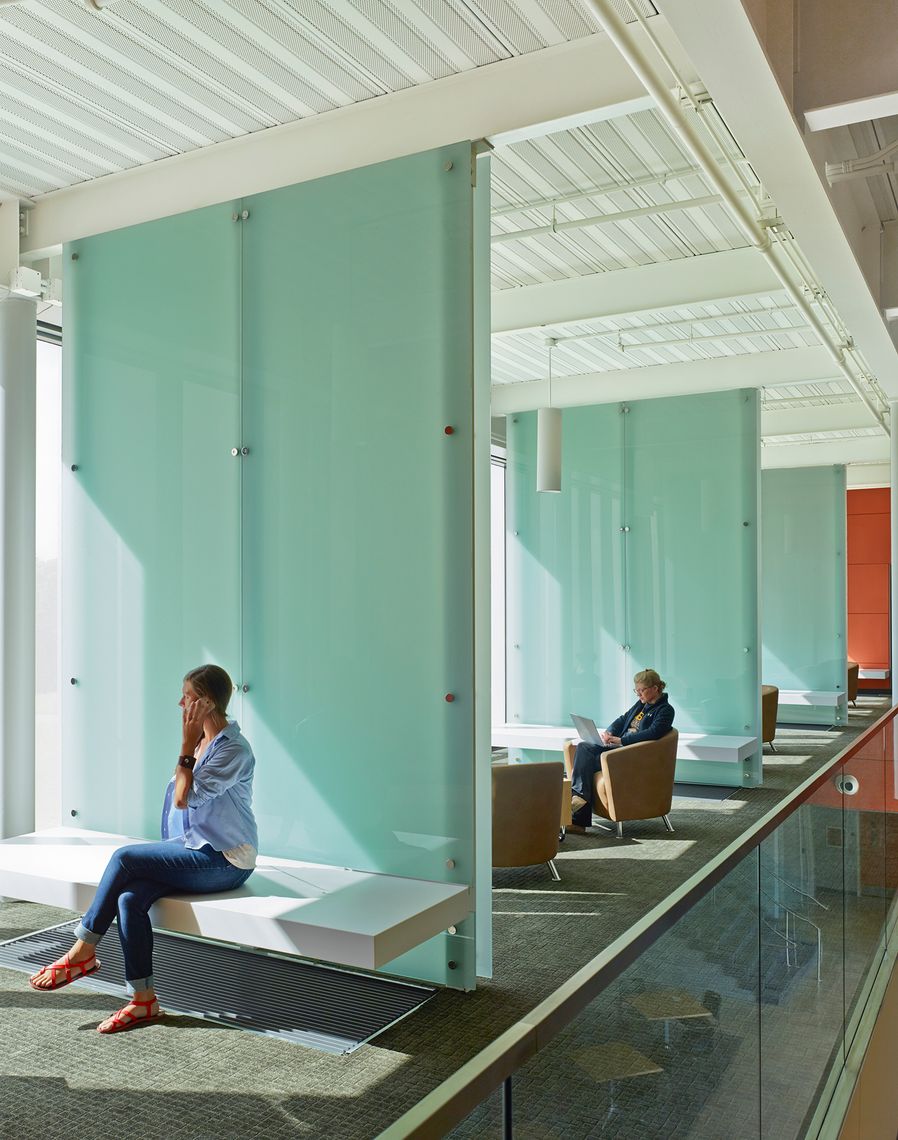
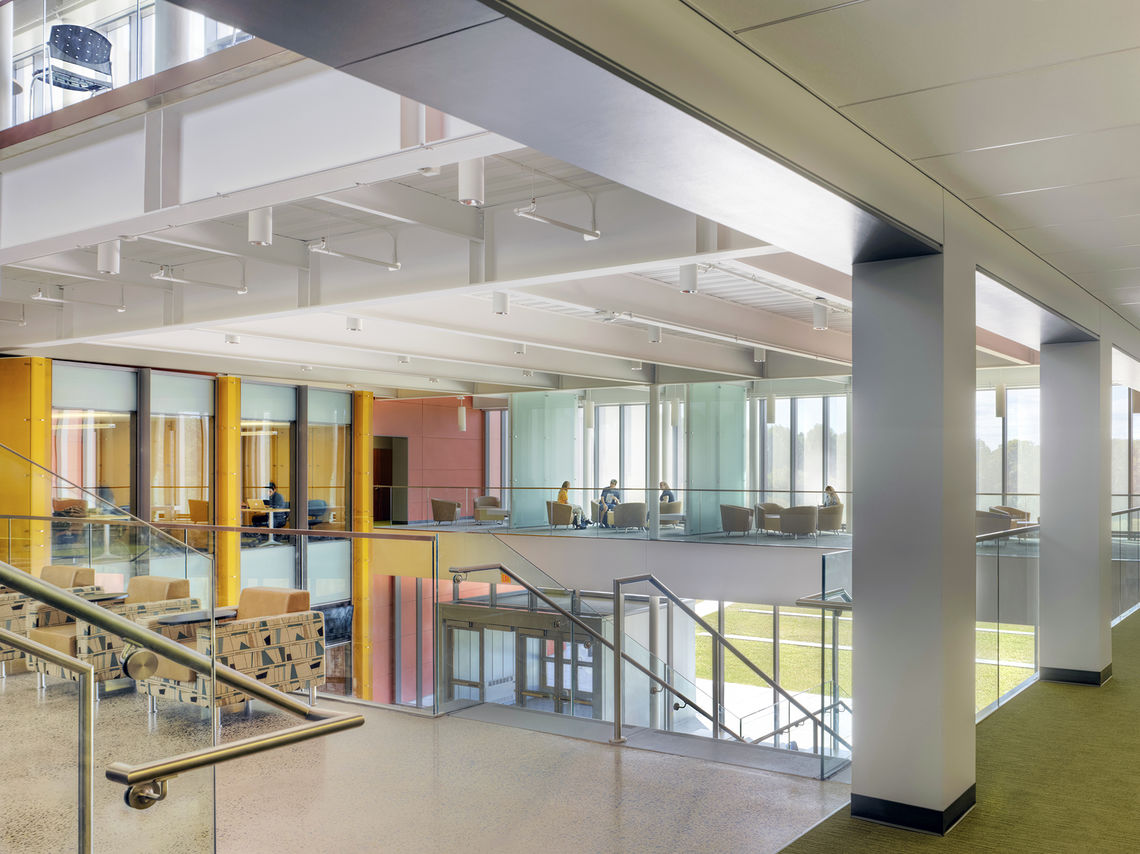
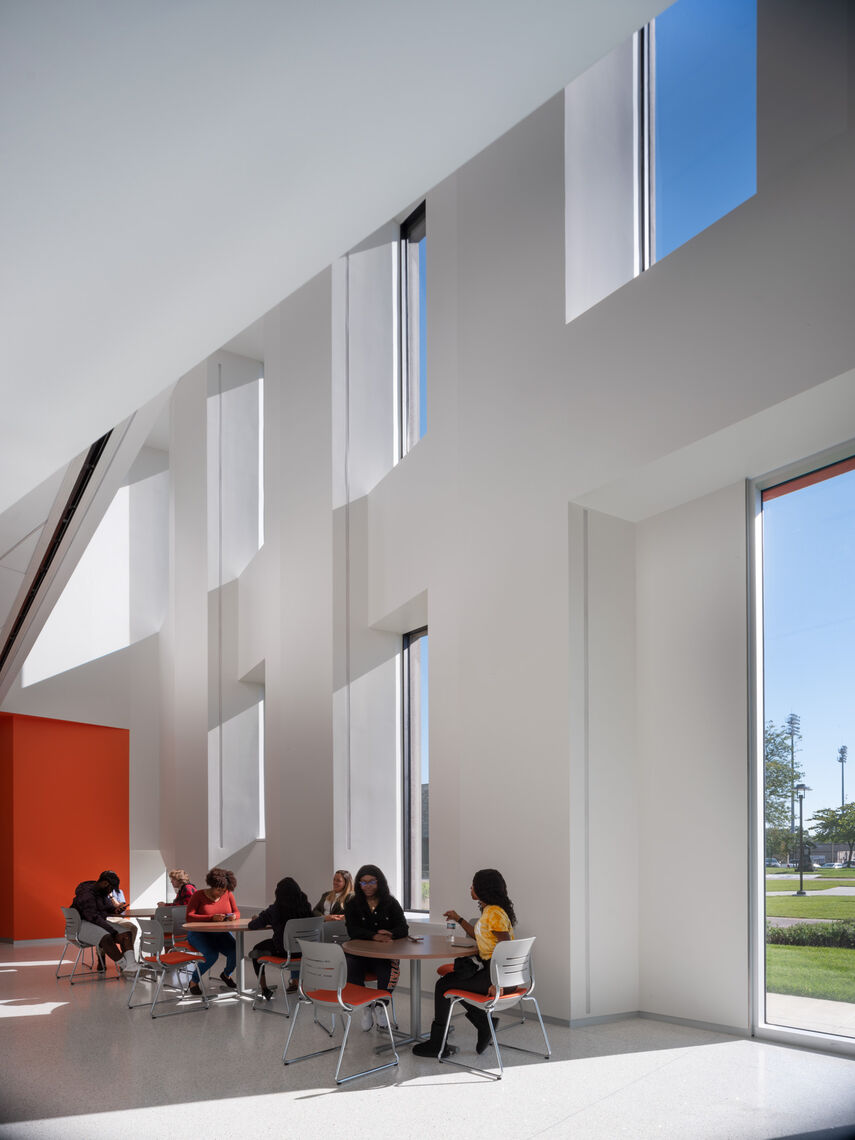
Academic buildings form part of the connective tissue that knits campuses together; a building’s circulation paths can serve the entire campus, not just its own occupants. Anyone who went to college in an extreme environment can relate to maximizing interior routes on extreme weather days. Well-designed circulation routes through campus buildings can also facilitate chance meetings and unplanned conversations between students and faculty, potentially sparking new insights and innovative collaborations. Architecture can encourage these moments, which shape a campus’ social culture, by inviting building occupants into attractive breakout moments along their natural circulation paths—spaces which encourage an extra moment of respite, communication and community-building. Dispersing coffee shops, cafes, and seasonal pop-up venues throughout academic buildings becomes especially critical on commuter campuses, fulfilling the inherent need for resting and gathering space outside of home and work, the notion of “third spaces.”
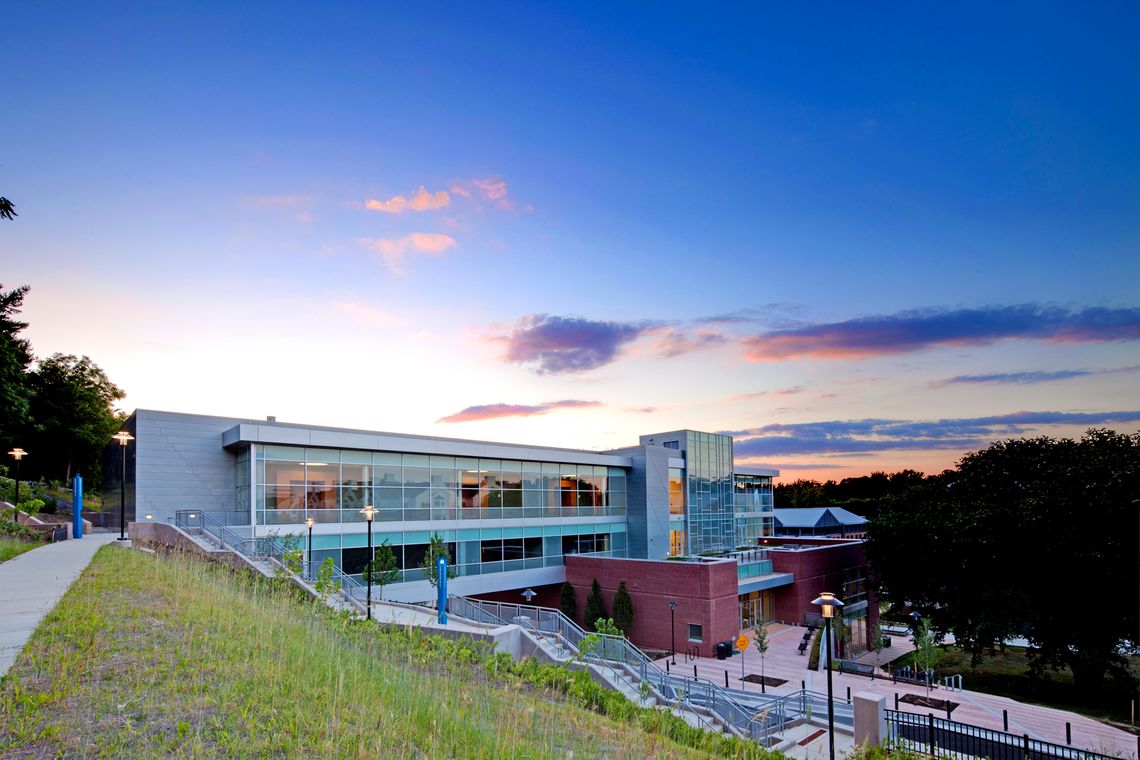
Individual buildings can also become a major component of campus-wide accessibility, especially on sites with steep topography. Multi-story buildings can serve as transition zones in steep sloped areas to alleviate the need for long winding exterior paths or ramps. Main entries on multiple levels, connected through a distinctly architecturally-defined circulation artery, assure that the path is intuitive as one moves through the building.

Architecture has long been a defining characteristic of the collegiate experience. As collegiate building typology, social norms, and pedagogy evolves, it is critical to think about each building’s broader role and impact on campus design.

Towson University's West Village Commons traverses steep topography by providing entrances on all three levels, offering a weather-protected and socially-rich alternative to the contemplative outdoor path.
Alan Reed

Alan Reed

FAIA, LEED AP

President
Terry Squyres

Terry Squyres

AIA, LEED AP

Senior Principal